
Fishing Discover regulations, impacts, and habitat
Fishing Regulations
Bass Research
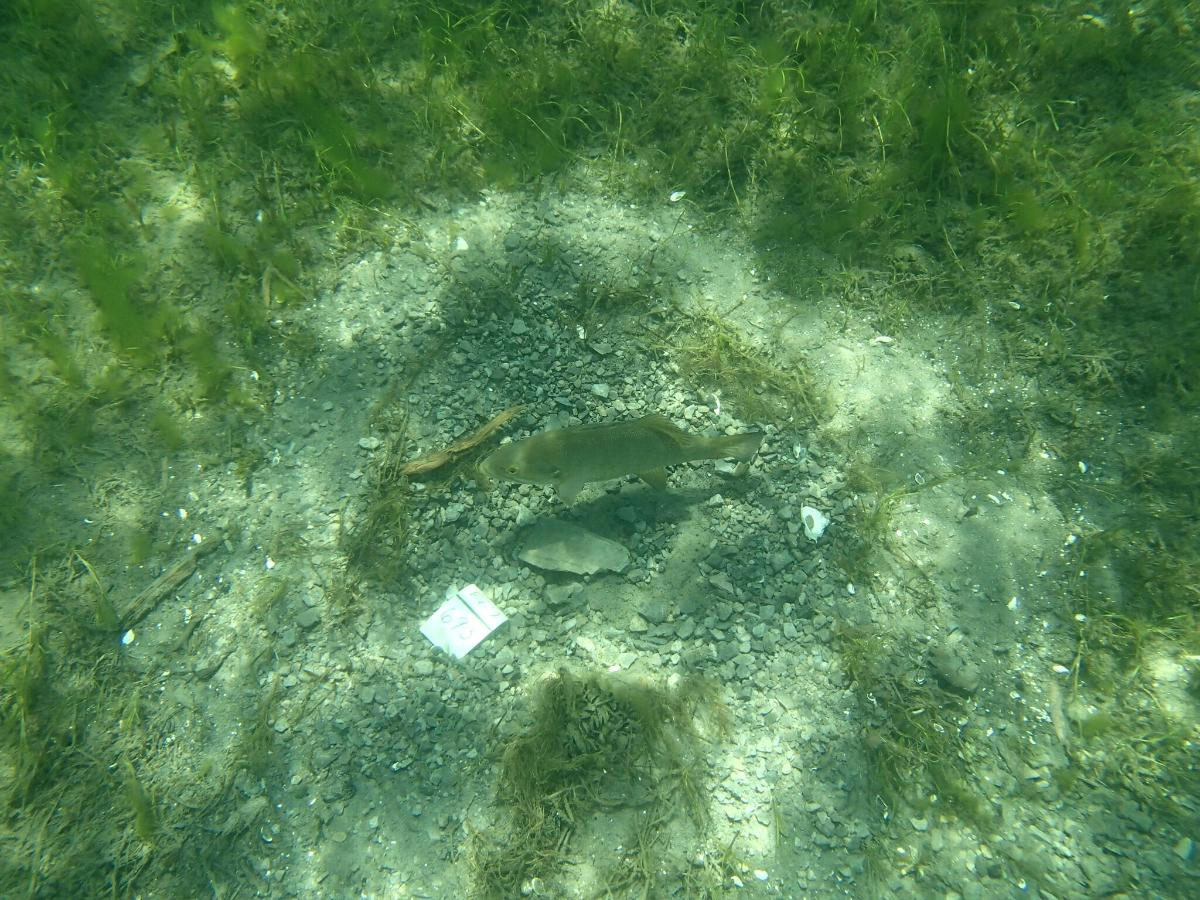
In cooperation with academia (Carleton University, University of Illinois, Queen’s University Biological Station, Fisheries Conservation Foundation) and Charleston Lake Association, the OMNRF have entered into a pilot study (Temporary fish sanctuaries) to support long-term bass nesting and population research.
Spawning Sanctuaries
Let’s Get the Lead Out – Fish Lead Free
Charleston Lake Association launched a “let’s get the lead out program” modeled on a successful program at nearby Wolfe Lake. This initiative was designed to reduce toxic lead fishing tackle from accumulating in the environment where it is responsible for the deaths of millions of birds and other wildlife annually. Loons, eagles, swans and waterfowl are especially vulnerable. Lead is very harmful to all living things, including people and it threatens our water quality.
This initiative included:
- Community Outreach and Public awareness, education and action to eliminate the use of lead tackle thru open houses with focus on residents, family and friends of Charleston Lake.
- Direct engagement with Anglers (including free “grab bags” of lead-free tackle)
- Support local businesses to sell lead-free tackle and collect/exchange lead tackle
- Advocacy efforts to eliminate the sale and use of lead tackle
In 2025, the movement grew stronger and is now an Ontario-wide movement to spread awareness about the harmful impact of lead tackle and promote safer, lead-free alternatives that protect our waters and the species that calll them home.
Fish Lead Free
A petition to the legislative Assembly of Ontario has been started asking to ban the sale and use of lead sinkers, weights and jigs under 50 grams in weight, and any lead-headed tackle under 6.5 cm in length.
Charleston Lake Trout
- Lake Trout (Salvelinus namaycush) are a native species common to southern Ontario; with average lengths of 15-20’s inches and average weights up to 10 pounds.
- The Caudal (tail) fin is distinctly deeply forked.
- Lake Trout’s colour consists of light sports on a dark background (varies from light green or grey to dark green, or brown) including sports on head and all fins.
Parasites found in a couple of Charleston Lake Fish
There have been Parasites found inside the stomach of a lake trout and also multiple small mouth bass with parasites (Tapeworms) hanging from their anus.
Here is a reference document that Dr. Cooke shared for more info: http://www.vtfishandwildlife.com/sites/fishandwildlife/files/documents/Fish/FishHealth/Tapeworm_Fact_Sheet.pdf
Any fish found with parasites should not be eaten and care should be taken to not touch the parasites as they can be transferred to humans. Excellent hand washing is important. Careful to not let pets eat them or be in contact with them either.
Parasites come in cycles. It could be that another host organism that is part of the lifecycle is abundant … like the crustaceans that are involved